How And When To File ISF For Homogenizer
Have you ever felt overwhelmed when preparing documentation for your homogenizer, particularly regarding the Importer Security Filing (ISF)? You’re not alone. Understanding the nuances of filing ISF can be challenging, especially when it comes to the specific requirements for various types of equipment, such as homogenizers. Let’s break this down together.

Understanding ISF: The Basics
The Importer Security Filing (ISF) is a crucial document that you need to submit for the importation of goods into the United States. This filing provides U.S. Customs and Border Protection (CBP) with information about the cargo before it arrives at the U.S. port. Understanding the basic principles of ISF can help you streamline your import process and avoid penalties.
What is an ISF?
An ISF is essentially a detailed report that contains information about the shipment you’re bringing into the country. It includes data such as the supplier’s name, the manufacturer’s details, and the item description. The goal is to enhance security measures against potential threats and to facilitate the detection of illicit activities.
Why is ISF Important for Homogenizers?
When it comes to filing ISF specifically for a homogenizer, failing to submit the ISF in a timely manner can lead to delays, fines, or even the rejection of your shipment at the port. Given that homogenizers are often essential in various industries, ensuring a smooth import process is crucial for minimizing operational downtime.
Key Components of the ISF
When filing your ISF for a homogenizer, you must include certain required data elements. Here’s a detailed look at what you need:
| Data Element | Description |
|---|---|
| Importer of Record | The entity responsible for the goods upon entry. |
| Consignee | The actual recipient of the goods. |
| Seller | The party from whom the goods are being purchased. |
| Manufacturer | The company that produced the homogenizer. |
| Harmonized Tariff Schedule (HTS) | The specific tariff classification for the homogenizer. |
| Description of Goods | A clear description of what the homogenizer is. |
| Country of Origin | The country where the homogenizer was manufactured. |
| Bill of Lading Number | The unique number that identifies the shipment. |
Having these details at hand can make your filing process much smoother. If any of these elements are missing or incorrect, it could lead to significant issues such as seizures or delays in processing.
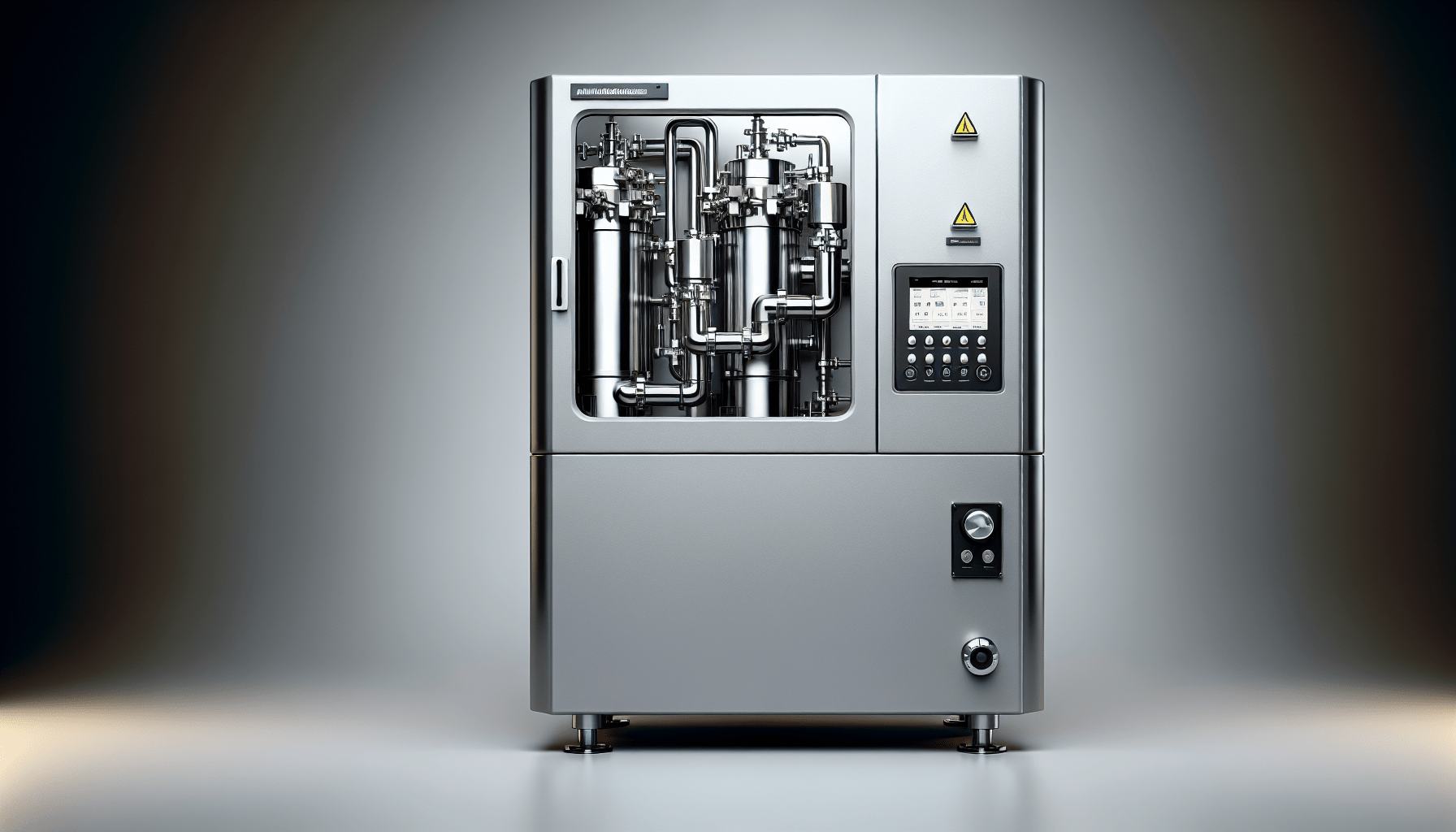
When Should You File ISF for Homogenizers?
Timing is critical when it comes to filing your ISF. Knowing when to file can help ensure that your homogenizer doesn’t get held up at the port, so let’s look into the timeline.
ISF Filing Timeframe
According to U.S. regulations, you must submit your ISF at least 24 hours before your cargo is loaded onto the vessel bound for the United States. This is a critical rule, and knowing the timeline can save you from challenges down the line.
Key Points to Note:
- Container Load Time: Make sure to file the ISF before the container is loaded onto the vessel.
- Changes: If any information changes after submission but before loading, you must update the ISF with the correct details.
- Early Filing: While the minimum is 24 hours, consider filing even earlier if possible. This can give you a buffer in case any unforeseen issues arise.
Understanding this timeframe allows you to plan effectively, reducing the risk of penalties.
Potential Consequences of Late or Incorrect ISF Filings
Have you ever thought about what could happen if you file your ISF too late or if you provide incorrect information? The consequences can be substantial, affecting both your schedule and your finances.
Financial Penalties
If your ISF is filed late or incorrect, you might face penalties. For instance, fines can reach up to $5,000 for non-compliance. Imagine the impact this could have on your budget. It’s essential to prioritize getting this right the first time.
Delays in Customs Release
One of the other significant risks you may encounter is delays in the customs process. If your ISF is not filed correctly or timely, your shipment could be held at the port longer than anticipated. This can disrupt your supply chain and potentially cause losses in revenue as customers wait for their orders.
Seizures or Denials
In severe cases, incorrect or late filings can result in your goods being seized or denied entry altogether. If the homogenizer is crucial for your operations, the implications can be quite serious.
Steps to File the ISF for Homogenizers
The process of filing an ISF can feel daunting, but breaking it down into manageable steps can simplify it considerably.
Step 1: Gather Necessary Information
Before you start filing, ensure that you’ve collected all relevant details about the homogenizer and the shipment. Use the table outlined previously as a checklist to verify that you have everything you need.
Step 2: Use an Authorized Filing Method
You can file your ISF through various channels. Here are a couple of options:
- Customs Brokers: Many importers choose to work with customs brokers to handle their ISF filings. This can save you time and ensure everything is filed correctly.
- Self-filing: If you opt to file on your own, make sure to familiarize yourself with the CBP’s ISF guidelines and procedures. This requires careful attention to detail to avoid missteps.
Step 3: Submit Your ISF
Once you’ve chosen your filing method, you can proceed with the submission. Remember to do this at least 24 hours before your cargo is loaded to ensure compliance with CBP requirements.
Step 4: Confirmation
After submission, confirm that your ISF has been accepted. You should receive a confirmation notification. If you’ve opted to work with a broker, ensure you maintain consistent communication with them to monitor the status of your ISF.
Step 5: Stay Updated
If there are any changes in your shipment or if any additional information is needed, act promptly. Keeping your ISF up-to-date is essential to avoid complications.
Common Challenges When Filing ISF
Filing ISF can come with its share of challenges. Acknowledging these and preparing for them can help you navigate through smoothly.
Language and Terminology
If you’re not familiar with industry terminology, the ISF process can be confusing. It’s essential to understand terms related to customs and shipping. Seeking assistance from professionals can provide clarity and ensure that you’re using the correct language.
Time Constraints
You might find that you’re operating under a tight deadline, which can add pressure to the filing process. Start preparing your ISF documentation as early as possible to avoid any last-minute scrambles.
Technology Issues
Whether you’re using an online filing system or software, technical glitches can disrupt your filing process. Always have a backup plan, whether that includes reaching out to a professional or having additional resources available.
Working with Customs Brokers for ISF
Navigating the ISF process can be less daunting with the help of a customs broker. They are well-versed in the nuances of import regulations and can streamline the filing process for you.
Benefits of Using a Customs Broker
- Expert Guidance: A customs broker brings invaluable expertise, ensuring that your ISF is both timely and accurate.
- Reduced Stress: You can focus on other aspects of your business while the broker handles the paperwork.
- Up-to-date Knowledge: Regulations can change frequently, and a broker stays informed about the latest requirements, helping you avoid potential pitfalls.
How to Choose the Right Customs Broker
When selecting a customs broker, consider the following factors:
- Experience: Look for a broker with experience specifically related to the importation of technical equipment like homogenizers.
- Reputation: Read reviews or seek referrals to find a broker who has a solid reputation for reliability and professionalism.
- Communication: Ensure that you can communicate effectively with your broker. Transparency and easy communication can make the process smoother.
Conclusion
Filing the Importer Security Filing (ISF) for a homogenizer may seem challenging, but with the right knowledge and resources, you can navigate the process effectively. By understanding the requirements, filing at the correct time, and potentially partnering with a customs broker, you can mitigate risks and ensure that your shipment arrives smoothly.
Remember, staying informed and organized is key. Take this process step-by-step, and don’t hesitate to seek help if you need it. Your homogenizer is an important tool in your business, and safeguarding its importation is crucial for your continued success.