Do I Have To File ISF For Carding Machines
Do you find yourself questioning whether you need to file an Importer Security Filing (ISF) for carding machines? It’s completely understandable to feel a bit overwhelmed navigating the complexities of import regulations, especially when it comes to specialized equipment like carding machines. Let’s break down everything you need to know about ISF filings, their necessity, and how they relate specifically to carding machines.
Understanding Importer Security Filing (ISF)
An Importer Security Filing (ISF), often referred to as the “10+2” rule, is a set of regulations mandated by U.S. Customs and Border Protection (CBP). This requirement aims to improve the security of cargo entering the United States.
What Is Included in ISF?
The ISF involves submitting specific information before your cargo is loaded onto a vessel for transport to the U.S. The necessary information typically includes:
- Seller: The name and address of the seller of the goods.
- Buyer: You must include the name and address of the buyer.
- Importing Carrier: The name of the carrier transporting the goods.
- Manufacturer: The name and location of the manufacturer of the goods.
- Country of Origin: The country where the goods originated.
- Commodity HTSUS number: The Harmonized Tariff Schedule of the United States (HTSUS) number for the goods being imported.
Why Is ISF Important?
Filing an ISF is crucial for maintaining compliance with U.S. customs regulations. Failure to file a complete ISF can result in fines and delays, impacting your supply chain. Moreover, the ISF helps the government assess the risks associated with importing goods.
Carding Machines: What Are They?
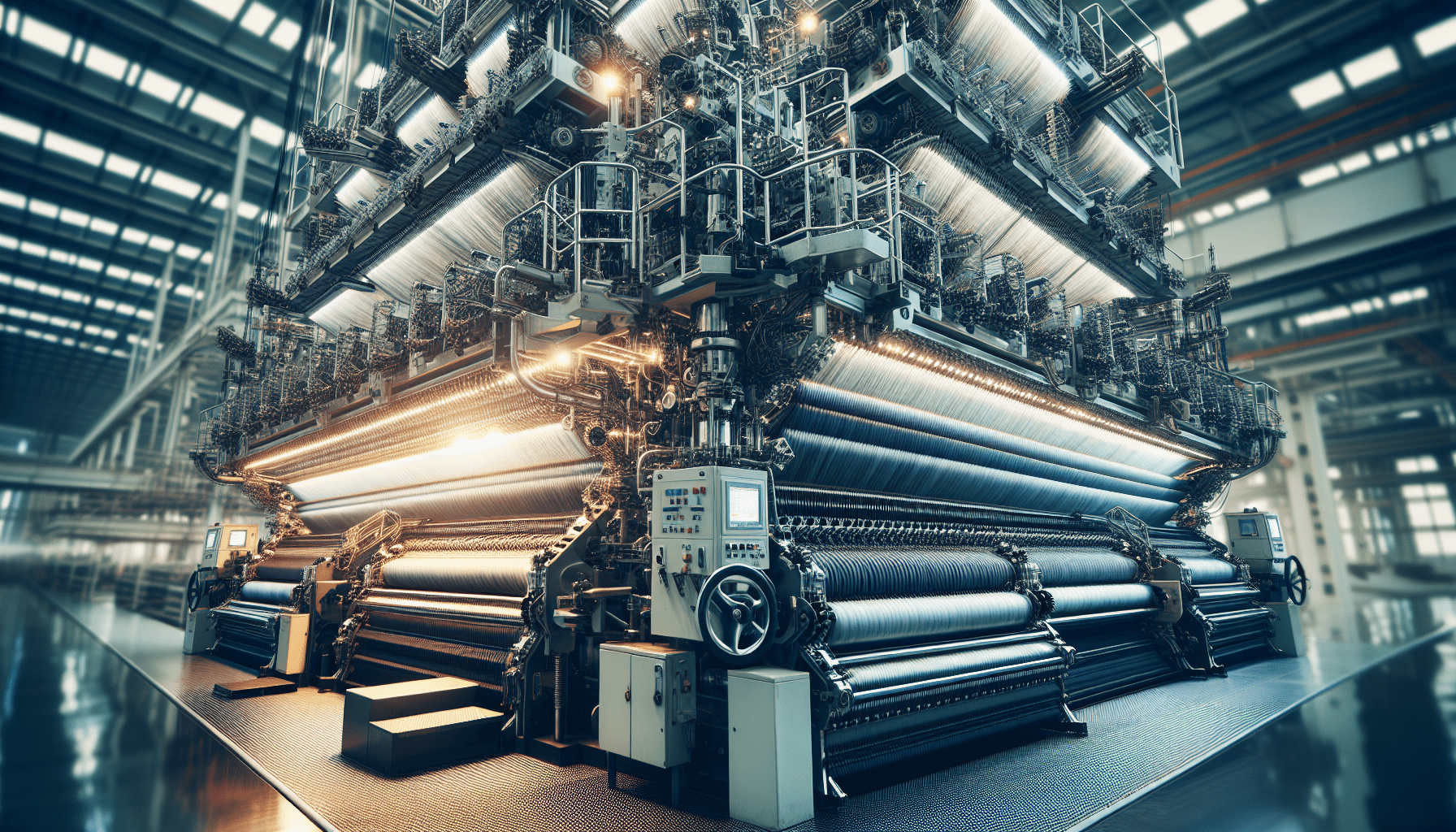
Carding machines play a vital role in the textile manufacturing process, particularly in preparing fibers for spinning. They work by disentangling, cleaning, and intermixing fibers to create a continuous web for further processing.
The Role of Carding Machines in Textiles
Understanding the function of carding machines can help clarify their classification under U.S. customs regulations. These machines are essential in converting raw fibers, like wool or cotton, into a form suitable for spinning into yarn. Their significant role in the textile industry underlines the importance of adhering to the correct import procedures.

Do You Need to File ISF for Carding Machines?
In deciding whether you need to file an ISF for carding machines, it largely depends on how these machines are classified under U.S. customs law. Generally, any equipment imported into the U.S. requires an ISF filing unless exempted.
Classification of Carding Machines
Carding machines are typically categorized under specific Harmonized Tariff Schedule (HTSUS) numbers. It’s important to correctly classify your equipment because the classification affects the requirements for ISF filings.
When ISF is Required
If you are importing carding machines, you are generally required to file an ISF due to:
- Customs Regulations: Most machinery, including carding machines, does not fall under exemptions.
- Risk Assessment: The CBP uses the information submitted in the ISF to evaluate potential security risks.
Before You Import: Gathering Necessary Information
To prepare for the ISF filing, gather necessary information early on. Here’s a simple checklist:
| Item | Details Required |
|---|---|
| Seller Name | Legal name and address of the seller |
| Buyer Name | Your name and address as the buyer |
| Manufacturer Name | Name and location of the manufacturer |
| Country of Origin | The originating country of the equipment |
| Commodity HTSUS Number | Specific HTSUS classification related to carding machines |
Consequences of Not Filing ISF
Neglecting to file an ISF can have several repercussions. It’s vital to understand these consequences to appreciate the filing’s importance fully.
Financial Penalties
Fines can range significantly, depending on the nature of the violation. A penalty for failing to file an ISF can be anywhere from $5,000 up to $10,000. The cost may vary based on the specifics of the situation, but any fine adds to your overall expenses.
Delays in Customs Clearance
If an ISF is missing or incomplete, your shipment might face delays in customs processing. These delays can disrupt production schedules, harm business relationships, and lead to lost sales opportunities.
Increased Scrutiny and Audits
Failing to follow all regulations might also lead to increased scrutiny from U.S. Customs. This could result in more frequent audits and reviews of your other import practices.
Understanding Exemptions
While most imported machinery requires an ISF, a few exemptions might include specific categories of goods. However, machinery like carding machines usually does not fall under these exemptions.
Categories that May Be Exempt from ISF
Some categories may include:
- Goods shipped to the military: Certain military shipments are often exempt.
- Personal imports: Items defined as personal effects might be exempt.
- Certain low-value shipments: Goods that fall below a predetermined value may not require ISF.
Carding Machines do not Qualify for Exemption
Given their classification and the role they play in industrial applications, carding machines typically do not fit into any exemption category.
Filing Your ISF: A Step-by-Step Guide
Filing an ISF can initially seem complicated, but breaking the process down into manageable steps can simplify things for you. Here’s a concise guide to filing your ISF:
Step 1: Obtain Necessary Information
Collect all relevant information relating to your cargo and the involved parties; this includes vendor and manufacturer details.
Step 2: Choose Your Filing Method
There are typically two methods to file an ISF:
- Directly to CBP: If you choose this method, ensure your company has the necessary registration.
- Through a Customs Broker: This method may be preferable if you want to simplify the process. A customs broker is well-versed in these procedures and can ensure accuracy.
Step 3: Submit the ISF
After gathering information and choosing your preferred filing method, submit the ISF electronically. Ensure that you do this at least 24 hours before your cargo is loaded onto the ship bound for the U.S.
Step 4: Monitor Submission and Confirmation
After filing, monitor your submission. You should receive confirmation from CBP, indicating that they have received your ISF. Keeping this confirmation is important in case of future inquiries.
Common Concerns About Filing ISF
It’s entirely natural to have concerns when confronting a new and complicated process. Here are some common apprehensions many experience and how to address them.
It’s Too Complicated
It may seem that the ISF process is complex but take each step one at a time. Information is readily available, and working with a customs broker can alleviate a significant amount of stress.
Fear of Errors
Mistakes happen. To minimize errors, double-check all entries and ensure you gather complete information before submission. Utilizing a customs broker can also help reduce mistakes.
Potential Costs
While there are costs associated with filing, ranging from potential fines to broker fees, the cost of not filing is far higher, including delays and penalties. Assessing the potential costs against these risks can highlight the importance of compliance.
What If There’s a Change in Plans?
If there are changes in your shipment plans after filing the ISF, you must provide updated information to CBP. It’s essential to keep them informed to avoid any complications.
Conclusion
So, do you need to file an ISF for carding machines? Yes, generally speaking, you must file to comply with U.S. customs regulations unless you can verify that your situation qualifies under any exemptions. Remember, navigating import regulations can be overwhelming, but taking steps to understand and comply can protect your business from unnecessary liability and delays.
Understanding the necessity of ISF filing for carding machines can enhance your import experience, ensuring smooth operations and compliance with the legal requirements. Trust yourself to manage this part of your business; the information provided here should help you feel more confident as you proceed with your imports. Embracing these procedures can ultimately lead you to more efficiency and success in your ventures.